The AI building boom
The biggest building boom in history is happening in sheds you will never see
The money going into AI data centres this year is larger than most countries' economies. Here is what that spending is, where it goes, and why a small business should care.
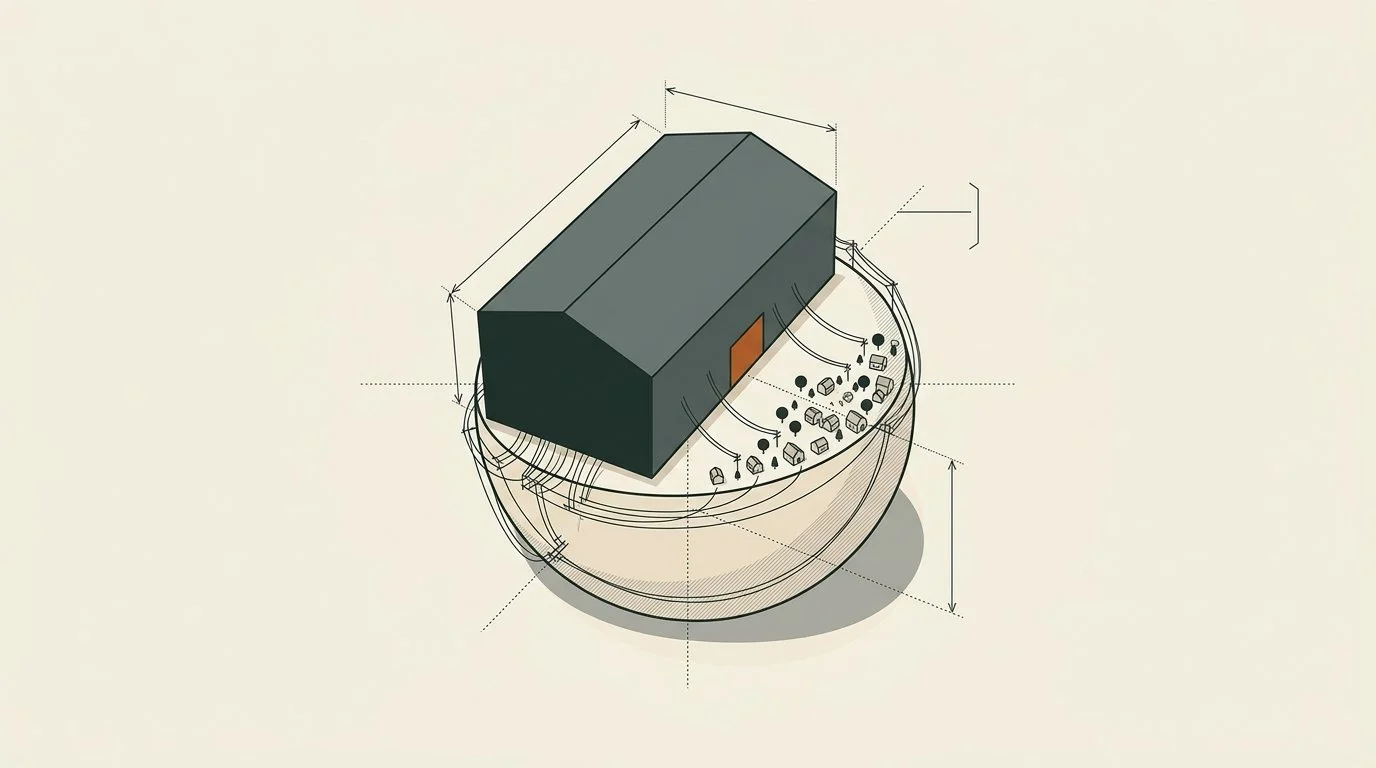
This week Amazon told investors it plans to spend around 200 billion US dollars in 2026, most of it on data centres and the computers inside them. Google, Microsoft and Meta announced plans of their own on a similar scale. Add them up and you get the largest private building programme in history, happening in windowless sheds on the edge of towns.
Let me explain what the money buys, because the word "AI" hides it.
A data centre is a warehouse full of computers. The AI kind is filled with a special chip called a GPU. It was built for video games. It turns out to be very good at the maths that AI models need. Those chips run hot and use a lot of electricity. So the warehouse also needs huge cooling systems and a connection to the power grid that can feed a small city.
That is where the money goes. Chips, buildings, cooling, power, and the land to put it on.
Why spend so much? Because every one of these companies believes the next decade of software will run on AI. Whoever has the most computing power sets the price. It is a race, and in a race you spend first and ask about returns later.
Now, why should a small business owner in Melbourne care about sheds in Texas?
Three reasons.
First, the price of using AI will keep falling. All that capacity has to be sold. The cost of running a model has dropped sharply each year, and this spending keeps the trend going. Tools that only large companies could afford two years ago are now within reach of a sole trader.
Second, electricity gets more expensive before it gets cheaper. The grid is being asked to feed these buildings, and someone pays for the new power lines. I will write more about this in a few months.
Third, the companies that sell the picks and shovels do well in a gold rush, whether or not the miners find gold. Chips, cooling, cabling, construction, security. There are Australian firms in those chains.
The honest caveat. Nobody knows whether the returns will justify the spend. Some very smart investors say yes. Some say this is the railway boom of the 1840s, which built useful railways and bankrupted many of the builders.
Both can be true. The railways stayed.
Source: Amazon's own guidance to investors, as reported in February 2026. Figures for other companies are from their own announcements.