AI is your new hire
Treat AI like a new hire, and it starts to work
Most people type one line into an AI tool and get a bland answer back. The fix is the same thing you would do with a new person on your team.
I spent most of last year building small AI tools for my own agency. Along the way I learnt one thing that changed every result I get. Here it is.
Most people talk to an AI the way they talk to a search engine. One line. "Write a LinkedIn post about our new service." Then they read the answer, sigh, and say the tool is average.
The tool is fine. The brief is the problem.
Think about the last time a new person joined your team. On day one you gave them context. Who the customer is. What the company sells. What good work looks like here. What to avoid. Then you gave them the task.
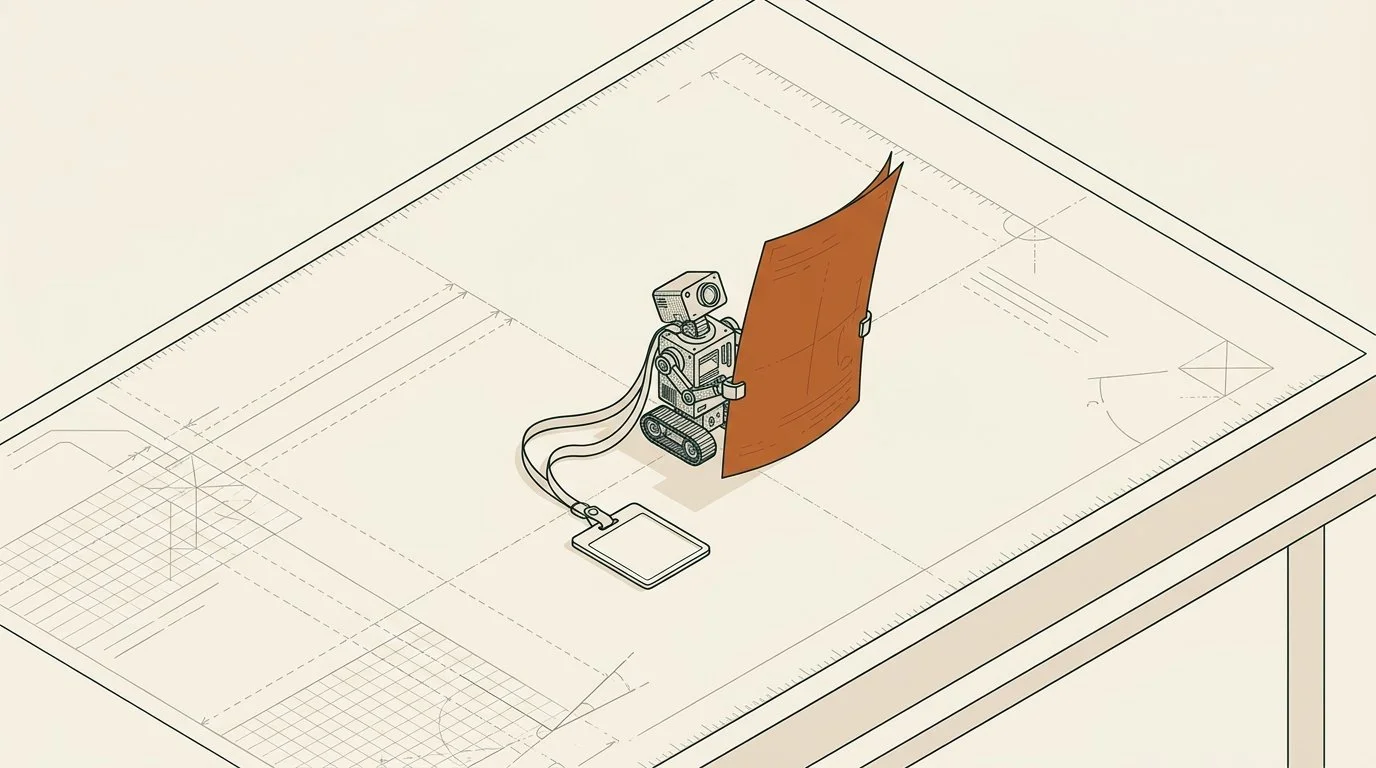
An AI model is that new hire, every single time you open a fresh chat. It has read most of the internet. It has read nothing about you.
So here is the hack. Before the task, write the brief.
I keep a short text file for each client. It has five parts. Who they are, in two lines. Who buys from them. The tone they like. Three examples of writing they approved. A list of words they hate. The whole file is under one page.
I paste that file first. Then I ask for the post.
The difference is large. The output sounds like the client. It avoids the words they hate. It mentions the right customer. I spend my time editing, which is quick, instead of rewriting, which is slow.
One more trick. Ask for three versions, each in a different direction. One safe, one bold, one strange. Pick the best and ask the tool to push that one further. This takes two minutes and almost always beats a single answer.
And give it an example of the finished thing. A real one. Models copy structure well. If you show a post that worked, the next post will share its shape.
Here is my simple test for a good prompt. Could a smart intern do the job with the same instructions? If the answer is no, the AI will struggle too.
Write the brief. Then ask. That is the whole trick.