Write your AI prompts like a telegram
Telegrams were charged by the word, so people learned to say a lot in very little. With AI now billed by the token, that old skill is worth money again.
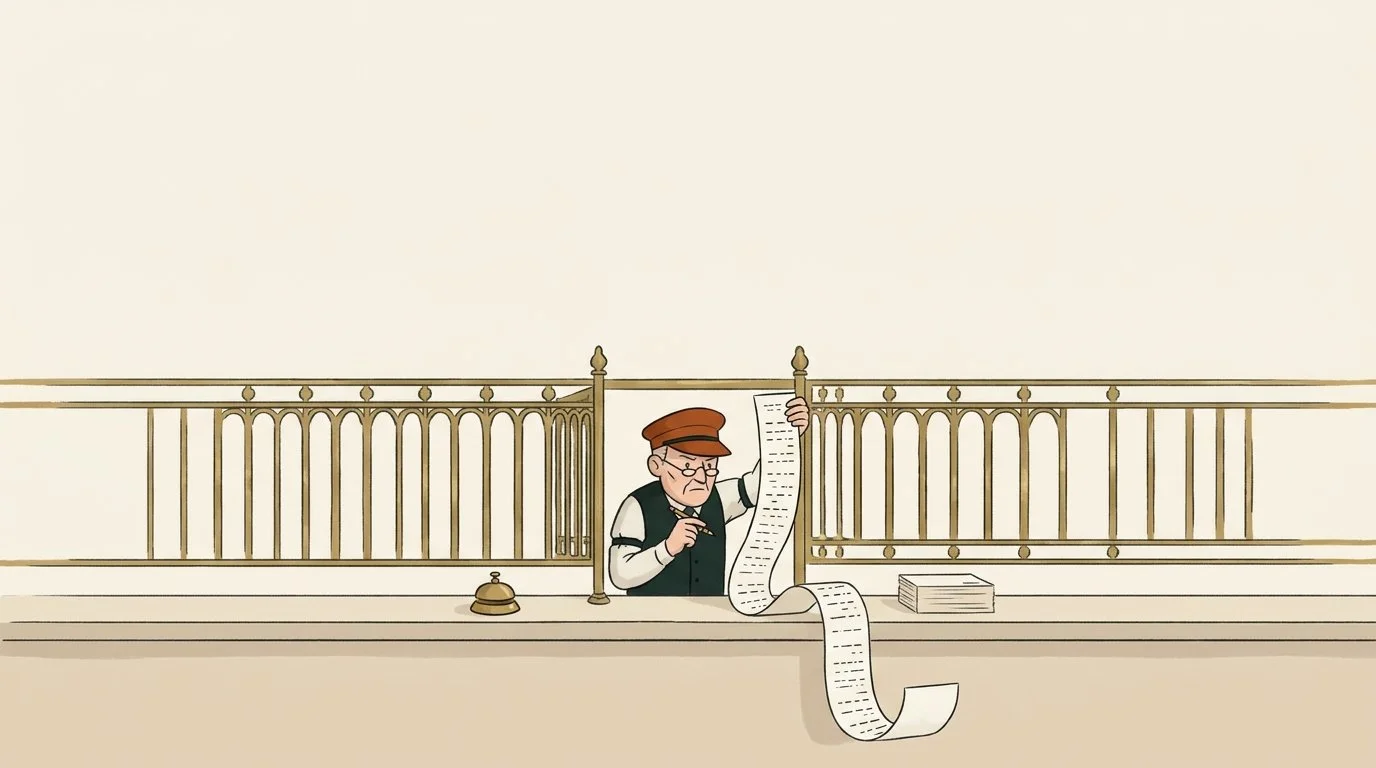
For more than a century, if you needed to send urgent news across the world, you sent a telegram. And you paid by the word.
This made people very good at saying a lot with very little. "ARRIVING TUESDAY STOP NEED CASH STOP." No greetings, no padding, no "I hope this finds you well."
Here is a fun detail. Western Union charged extra for punctuation, but the word "STOP" was free. So people used STOP instead of a full stop. Western Union delivered its last telegram in 2006.
That skill is coming back, because AI is now billed by the token. A token is roughly three quarters of a word. Everything you send and everything the model writes back is counted. As more AI moves to paying for what you use, the habits of a telegram writer start to save real money.
Here are six I use.
One. Brief once, then reuse. Write your background, tone and rules in a single file and attach it when you need it. Retyping your company description in every chat is like paying for the same telegram twice.
Two. Start a new chat when the topic changes. In most tools, every new message sends the whole conversation back through the model. A long chat about ten different things means paying again and again for the nine you no longer need.
Three. Send the part, not the whole. If you want feedback on one paragraph, paste the paragraph. Pasting a forty-page report to fix a heading costs you the forty pages.
Four. Ask for the length you need. "In three bullet points" or "under 100 words" saves tokens on the way out, and usually gives a better answer. Long answers are often padded answers.
Five. Pick the right size of model. The biggest model is like a senior consultant. Brilliant, and expensive by the hour. A quick rewrite or a simple summary can go to a smaller, cheaper model and come back just as good.
Six. Be clear the first time. The most expensive prompt is the vague one, because it leads to five more messages fixing the answer. One precise message beats a long back and forth.
Most of these habits also make the answers better. A tight brief gives the model less room to wander. A short request gets a focused reply.
Telegram writers learned this because every word cost them. The discipline made their writing sharper, and it was a habit that paid off long after telegrams were gone.
So next time you open an AI tool, imagine a clerk at the counter counting your words. Say what you need. Say it once. STOP.
Sources: InformationWeek, "Western Union Cables' Last Message: STOP" (2006); OpenAI Help Centre, "What are tokens and how to count them".