AI that thinks first
The new models think before they talk, and that changes how you use them
The newest AI models pause and plan before they answer. That small change means the old prompting habits now get in the way.
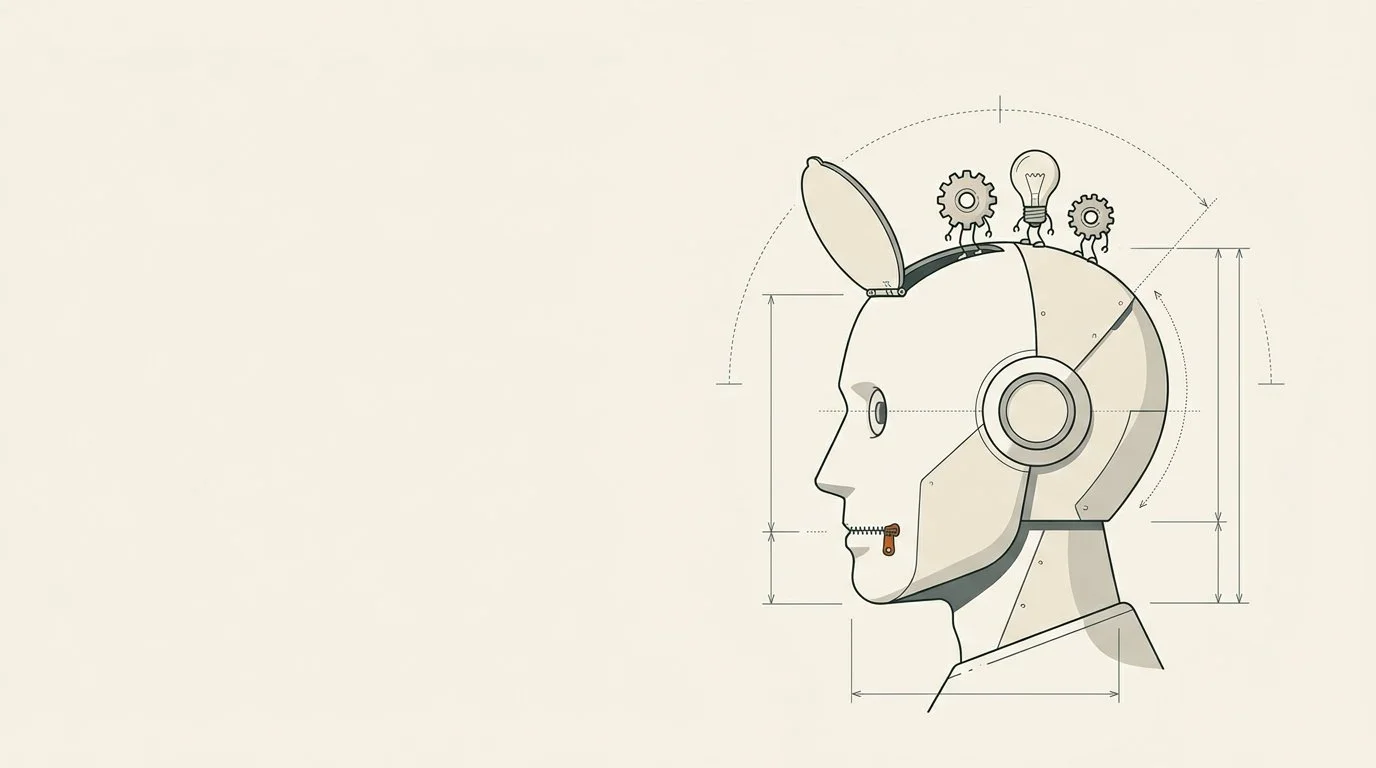
Something quiet happened over the past year. The AI models I use every day started to think before they answer.
With the older models, the answer appeared as you watched. Word after word. The model guessed each next word based on the last one. Clever, but it could paint itself into a corner halfway through a sentence.
The new models work differently. You ask a hard question and there is a pause. Behind the scenes, the model writes a plan for itself. It checks its own working. Then it writes the answer you see.
This feels like a small change. In practice it changes three things about how I work.
First, I stopped breaking tasks into tiny steps. With the old models I would ask for an outline, then section one, then section two. Now I give the whole brief and the full set of constraints in one go. The model plans the sequence itself.
Second, I now ask for the reasoning. "Show me why you chose this headline over the others." The answer is often more useful than the headline. It tells me what the model assumed about my customer. When the assumption is wrong, I fix the assumption and the output fixes itself.
Third, I give it a goal instead of a format. "Write me 10 bullet points" produces 10 bullet points, even when 4 would do. "Help a busy shop owner decide whether to run this promotion" produces whatever that person needs. Sometimes it is a table. Sometimes it is two sentences.
Here is a surprise. The new models are better at saying "I am unsure". When I ask for a figure they cannot verify, the good ones say so instead of inventing one. I have learnt to trust that signal and to go find the source myself.
The models also got cheaper to switch between. I use at least three in a normal week. One for long documents. One for images. One for quick drafts. The skill now is picking the right one for the job, the way you would pick the right person for a meeting.
If you tried AI two years ago and gave up, try again. Give it the whole problem. Ask it to explain itself. Then argue with it.